
Accord reports US bridging data for serplulimab in SCLC, and wins UK approval for ranibizumab biosimilar
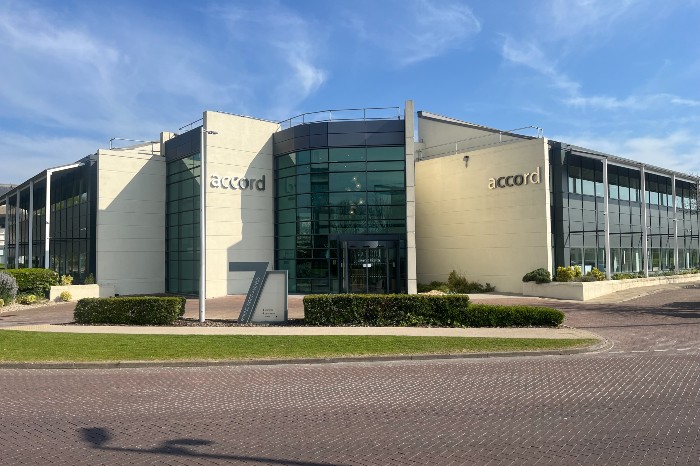
Henlius Biotech (HKEX: 02696) and Accord Healthcare have announced results from ASTRIDE, a randomized, open-label US bridging study of serplulimab (Hetronifly) in extensive-stage small cell lung cancer (ES-SCLC).
The results, presented at the ESMO congress, showed a numerical survival advantage over atezolizumab that was not statistically established.
ASTRIDE was conducted in response to a US Food and Drug Administration (FDA) request for additional data on serplulimab, an anti-PD-1 antibody, in a population more reflective of Western ES-SCLC practice, alongside a standard-of-care comparator. It is described as a descriptive study, designed to help evaluate the findings of the Phase III ASTRUM-005 trial. It enrolled 201 adults with previously untreated ES-SCLC, who received serplulimab or atezolizumab, each with chemotherapy. Overall survival (OS) was the primary endpoint.
In the overall population, median OS was 12.39 months with serplulimab and 10.15 months with atezolizumab, a numerical difference of 2.24 months. Median progression-free survival, assessed by an independent review committee, was 5.36 months against 4.93 months. Objective response rates were 64.4% and 67.0%, and median duration of response was 4.21 months and 4.04 months.
In patients who had not received chemotherapy before randomization and started immunotherapy and chemotherapy together, median OS was 13.37 months with serplulimab and 10.85 months with atezolizumab, a difference of 2.52 months.
Safety was assessed in 99 patients on serplulimab and 100 on atezolizumab. Grade three or higher treatment-emergent adverse events occurred in 73.7% and 73% of patients, serious events in 9.1% and 7%, and grade five events, excluding deaths attributed to disease progression, in 9.1% and 8%. No new safety signals were identified.
David Gandara, professor emeritus at the University of California Davis Comprehensive Cancer Center and ASTRIDE’s lead principal investigator, said the results were “remarkably consistent with those of ASTRUM-005”, noting that the two-year survival rate of 32% was identical in both studies.
Dr Gandara said the data “strongly support the benefit of serplulimab” and the applicability of the ASTRUM-005 findings to US patients in the first-line setting.
Paul Tredwell, Accord’s global chief executive, said the findings were “an important contribution” to the company’s ambition of bringing forward new cancer treatment options and generating the evidence to support them.
Ranibizumab biosimilar
Separately, in September Accord announced progress in its biosimilar pipeline with UK marketing authorization for Fovlussea (ranibizumab), a biosimilar to Lucentis. It is the company’s eighth biosimilar to be authorized in Europe and its first in ophthalmology, and was granted through the Medicines and Healthcare products Regulatory Agency’s national procedure. Accord expects European Union authorization by the first quarter of 2027.
Fovlussea is indicated in adults for neovascular (wet) age-related macular degeneration, visual impairment due to diabetic macular edema, proliferative diabetic retinopathy, visual impairment due to macular edema secondary to retinal vein occlusion, and visual impairment due to choroidal neovascularization. It will be available as a single-use vial and as a pre-filled syringe.
Oliver Fromm, Accord’s executive vice president for Europe, Middle East and North Africa specialty brands, said retinal conditions can have a profound effect on independence and quality of life, and that treatment is often needed over the long term.
He said biosimilars allow the company to “widen access to essential medicines without compromising on the standards” patients and clinicians expect, and that Accord was proud to bring that ambition “to ophthalmology for the first time”.
More on this story...
Today's issue

Company Spotlight
More Features in Biotechnology
| Headless Content Management with Blaze